Iget Vapes
iget vapes
Dec
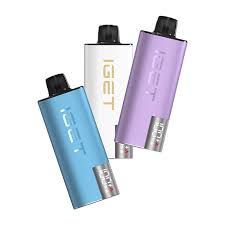
IGET Vapes in Australia: Everything You Need to Know in 2026 Over the past several years, IGET has become one of the most recognizable names in Australia’s vaping landscape. Known for its disposable vape devices, colorful designs, and wide range of flavours, the brand gained significant popularity among adult consumers before Australia introduced sweeping reforms to its vaping laws. Today, however, the Australian vaping market looks very different. Legislative changes have transformed how vaping products can be imported, sold, advertised, and purchased. As a result, many people have questions about where IGET fits within the new regulatory environment. This guide explores what IGET vapes are, why they became so popular, how Australian regulations have changed, and what consumers should know about the current legal landscape. What Are IGET Vapes? IGET is a vaping brand that became widely recognized for manufacturing disposable electronic cigarettes. These devices typically consist of a built-in battery, pre-filled e-liquid, and an integrated coil, allowing users to vape until the liquid or battery is depleted. Unlike refillable vape systems, disposable devices require no maintenance. Users simply open the package and begin using the device. Over time, IGET expanded its product lineup to include multiple device styles with varying battery capacities and puff counts. Some common characteristics include: Rechargeable or non-rechargeable batteries depending on the model Pre-filled e-liquid Draw-activated operation Compact and lightweight design Wide variety of flavour options These features helped make disposable vapes appealing to people seeking convenience rather than refillable vaping systems. Why Did IGET Become So Popular in Australia? Several factors contributed to the popularity of IGET products before Australia’s vaping reforms. Convenience Disposable devices eliminate many of the steps associated with traditional vaping equipment. There are no coils to replace, tanks to fill, or settings to adjust. Variety One reason many users gravitated toward IGET was the extensive range of flavour options that became available through international distributors. Accessibility Prior to recent regulatory reforms, disposable vape products were widely available through various retail channels despite evolving legal restrictions. Design Many disposable vape brands focused on creating sleek, portable devices that could easily fit into a pocket or bag. Australia’s Changing Vape Laws Australia has introduced some of the world’s strictest vaping regulations. Beginning in 2024, the Australian Government implemented major reforms aimed at reducing youth vaping while tightening control over nicotine and non-nicotine vaping products. These reforms significantly changed the legal framework surrounding disposable vapes. Key changes include: Prohibition on the commercial sale of most non-therapeutic disposable vapes. Pharmacy-only access to therapeutic vaping products that meet regulatory requirements. Restrictions on advertising, promotion, importation, and commercial possession. Stronger enforcement against illegal retailers and distributors. These reforms apply regardless of whether a vape contains nicotine in many circumstances, making Australia’s regulatory environment substantially different from many other countries. Are IGET Vapes Legal in Australia? This is one of the most frequently asked questions. The answer depends on the context. Australia’s current laws prohibit the retail sale of non-therapeutic disposable vapes through tobacconists, convenience stores, vape shops, and similar businesses. Therapeutic vaping products may only be supplied through pharmacies under Australia’s regulatory framework. As a result, disposable products commonly sold under the IGET brand generally do not form part of Australia’s legal pharmacy supply model. Consumers should be aware that products offered through unauthorized retail channels may not comply with Australian law. Why Were the Laws Changed? The Australian Government has stated several objectives behind the vaping reforms. These include: Reducing youth vaping. Limiting access to disposable vape products. Improving product quality standards. Reducing the availability of illegally imported products. Supporting smoking cessation through regulated therapeutic products. The reforms represent one of the largest regulatory changes to Australia’s vaping industry in recent years. Health Considerations Although vaping is sometimes discussed as a potential smoking cessation aid under medical supervision, health authorities emphasize that vaping products are not risk-free. Potential concerns include: Nicotine dependence Exposure to aerosolized chemicals Respiratory irritation Unknown long-term health effects Australian public health agencies continue to advise that people who do not smoke should not begin vaping, while smokers considering vaping for smoking cessation should seek professional medical advice. The Rise of Disposable Vapes Disposable vape products became increasingly common worldwide because they offered a straightforward user experience. Manufacturers introduced devices with: Larger batteries Higher puff counts Improved coil technology Leak-resistant construction Compact designs Brands such as IGET became particularly well known within this growing disposable vape category. However, disposable products have also generated concerns regarding environmental waste because most devices contain lithium batteries, plastics, and electronic components that require proper disposal. Environmental Impact Disposable vaping products create electronic waste. Because they combine batteries, electronics, plastic casings, and residual chemicals into a single-use device, recycling them can be difficult. Environmental organizations have highlighted concerns including: Battery waste Plastic pollution Improper disposal Resource consumption These environmental issues have become part of broader discussions surrounding disposable vape regulation globally. Counterfeit Products Another challenge affecting the vaping market has been counterfeit devices. Unauthorized products may imitate well-known brands while failing to meet manufacturing or safety standards. Potential risks include: Poor battery quality Unknown ingredients Inaccurate nicotine labeling Manufacturing defects Consumers should exercise caution regarding products sold through unofficial channels. How the Australian Market Has Changed Before the reforms, disposable vape products were relatively common in many retail environments. Since the regulatory changes: Retail enforcement has increased. Illegal products have been seized. Online advertising restrictions have expanded. Greater emphasis has been placed on pharmacy-based therapeutic supply. Authorities continue to monitor compliance across Australia. Frequently Asked Questions Can I buy IGET vapes at Australian vape shops? Australia’s current laws prohibit vape shops, tobacconists, convenience stores, and similar retailers from legally supplying vaping products outside the pharmacy framework. Are disposable vapes banned? Australia has prohibited the commercial sale of non-therapeutic disposable vapes as part of its broader vaping reforms. Can pharmacies sell vapes? Participating pharmacies may supply certain therapeutic vaping products that comply with Australian regulations. Are all vaping products illegal? No. Australia’s framework distinguishes between illegal commercial sales and regulated therapeutic vaping products supplied through pharmacies under applicable laws. Looking Ahead Australia’s vaping regulations continue to evolve alongside ongoing enforcement efforts and public health initiatives. Future developments may include: Continued enforcement against illegal sales Updated product standards Further public health education Ongoing evaluation of regulatory outcomes As policies continue to develop, consumers should stay informed through official government sources to understand their rights and responsibilities. Final Thoughts IGET became one of Australia’s most recognizable disposable vape brands during a period of rapid growth in the vaping market. Its popularity was driven by convenience, product variety, and ease of use. However, Australia’s regulatory landscape has changed substantially, with comprehensive reforms reshaping how vaping products can be legally supplied and accessed. Anyone seeking information about vaping products in Australia should rely on current guidance from Australian health authorities and be aware that products commonly sold through unauthorized retailers may not comply with Australian law. Understanding these regulations is essential for consumers, retailers, and anyone interested in the evolving Australian vaping market.
